A team led by Chen Mei-yen, a professor of sports administration at National Taiwan Normal University, and the National Science and Technology Council are cooperating on a project to expand sports science research. Utilizing cutting-edge research and technology, the project promotes national fitness, international cooperation and the cultivation of interdisciplinary talents in the sports science field. It also drives the economic development of sports industries, creating shared value from sports science research.
The research team joined forces with the 2025 World Masters Games to organize the “Sport Science Empowerment x 2025 World Masters Games Pavilion” at the 2025 TaiSPO. This unique pavilion promoted lifelong and inclusive sports, aligning with the exhibition’s focus on fitness. By integrating cutting-edge sports technology with sustainable practices, the pavilion demonstrated Taiwan’s achievements in sports science to the international community.
The pavilion integrated sustainability and innovation, highlighting how the 2025 World Masters Games is Taiwan’s most sustainable international sporting event yet. Aligning with global trends towards net-zero carbon emissions, many major sporting events prioritize sustainable practices to meet carbon reduction goals. For example, the 2024 Paris Olympics reduced carbon emissions by 54.6 percent compared with the 2016 Rio Olympics. It also reduced the use of plastics by half through sustainable initiatives such as beverage machines and biodegradable cutlery.

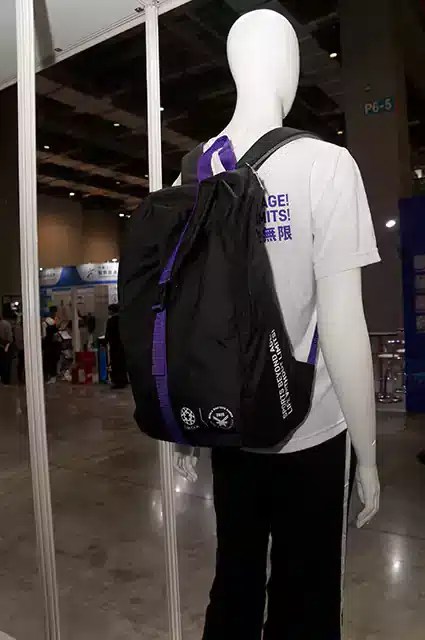
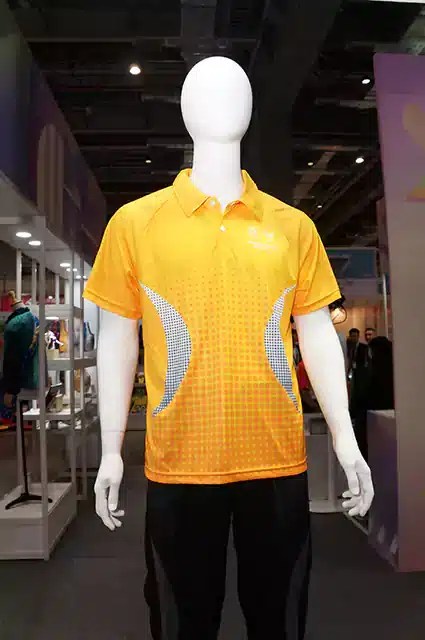
As Taiwan’s largest international sporting event in years, the 2025 World Masters Games applies various technologies to expand environmental practices and align with the UN’s sustainable development goals. Event memorabilia, including clothing, awards and souvenirs, is made from recycled raw materials. The World Masters Games proudly incorporates sustainability into its core mission, showing that Taiwan can hold a grand sporting event in an environmentally friendly way.

Recognized with the 2025 German iF Red Dot Design Award, the World Masters Games medal system also incorporates sustainable practices, making medals from a zinc alloy that consumes less energy and emits less pollutants during the manufacturing process. The medal ribbons are made from recycled coffee grounds, plastic bottles and athletic apparel. Lastly, the medal boxes are made from Taiwanese bamboo, reflecting Taiwan’s commitment to sustainability.

The team also invited Olympic athletes to present sustainably-designed creative products at the pavilion. Currently studying design in the US, fencer Chen Yi-tung shared how he repurposed the Olympic Village blanket into a custom-made jacket and duffle bag, blending athletic elements to create a fashionable look. Taekwondo athlete Chen Yi-an introduced her sustainable soap brand, including a Taiwan-shaped soap dish made from recycled materials. Table tennis player Chuang Chih-yuan also showcased a multifunctional shopping bag that can be used to carry products or beverages, reducing use of plastic bags.

By introducing creative products designed by Olympic-athletes, the pavilion encouraged visitors to develop sustainable habits and other athletes to develop professional skills outside of the sports arena, creating new possibilities for future entrepreneurial ventures.